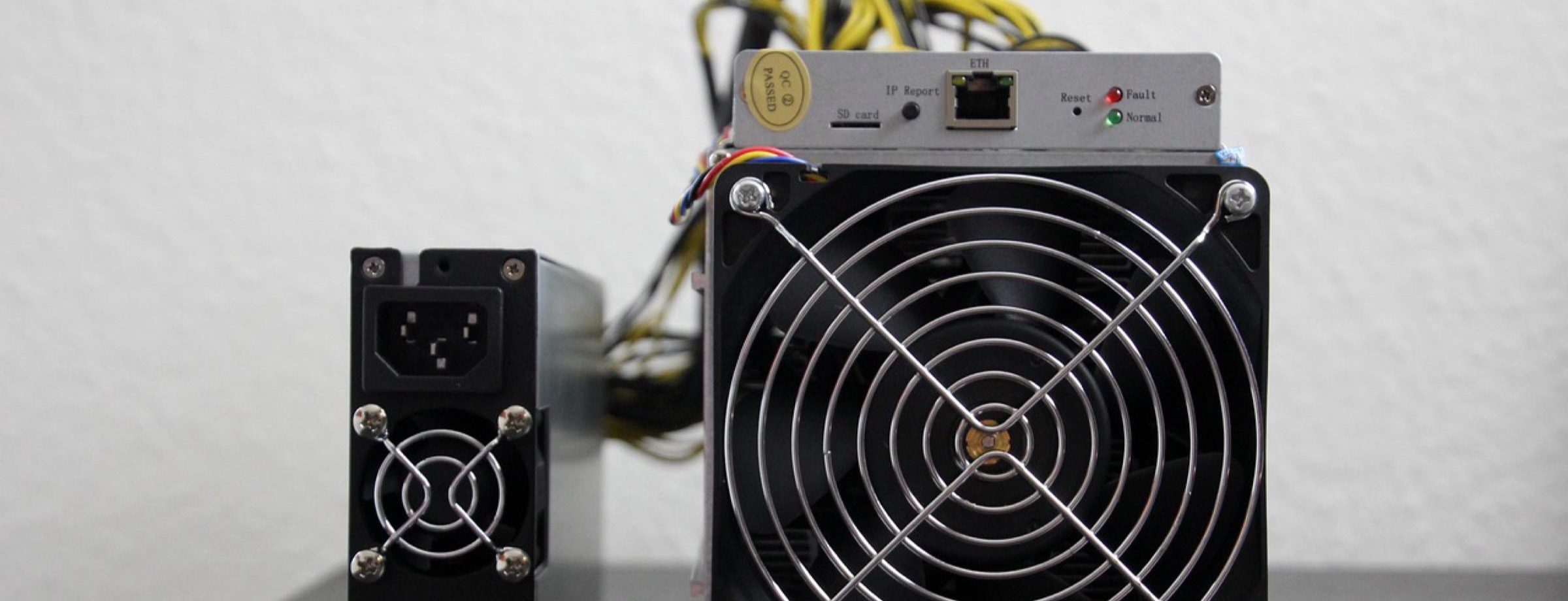
There is nothing wrong with used hardware. A two-year-old S19 that has run in a clean hall on stock firmware will outlast a new machine that spends its life at 45 °C intake. The problem is that the price of a used machine tells you almost nothing about which of those two you are being offered.
Six checks, in the order they matter.
1. Where did it run?
Ask for the site, the climate and the cooling. A machine from a filtered hall in a temperate climate is a different asset from one that ran a Gulf summer on an open shed with no filters, and the price is usually the same. Dust and heat are cumulative; you are buying whatever the last owner did to it.
If the seller cannot say where the machines ran, assume the worst case and price accordingly.
2. Has it been immersed?
Immersion conversion voids factory cover permanently and changes what the boards have been through. Fluid residue on connectors is visible on inspection and is a hard no unless you are buying knowingly and at a converted-hardware price. Ask directly, and look at the photos before the money moves.
3. What firmware is on it?
Third-party firmware means the machine has been overclocked at some point in its life, whatever the seller says about the current profile. It also means factory warranty is long gone. Neither is disqualifying; both belong in the price.
4. Is the hash board original?
Repaired boards are normal in the used market and fine when the repair was competent. Harvested boards — chips lifted from other units and reflowed on — are not. The signs are visible under inspection: uneven reflow, mixed chip date codes, flux residue. This is the single most common way a used batch disappoints, because the machine hashes on day one and fails in month three.
5. What does it do under load, cold and warm?
Insist on a test after the machine is warm — thirty minutes minimum, two hours if the bench is cool. A cold miner reads high. Hash rate, wall power, per-board temperature and hardware error rate, per serial. If the seller cannot produce that, they are selling a photograph.
6. Does the serial label still exist?
No legible serial, no claim, no provenance, no resale. It sounds trivial and it is the first thing missing on machines that have been through several hands.
What we do with used stock
We buy it, and we sell it with the same batch report as new hardware, plus the origin of the batch stated in the offer. Machines we cannot establish provenance for do not go on the price list — not out of virtue, but because a used machine with an unknown history is an unpriceable object, and a trading house that sells unpriceable objects stops getting repeat orders.
Used units carry our own 90-day cover on hash boards, control board and PSU. That is shorter than the 365 days on new hardware, which is the honest number for equipment somebody else has already run.
When used is the right buy
When power is cheap and capex is the constraint. When you are filling the last two rows of a hall that is already commissioned. When you want spares that match a fleet you already run — buying two used machines of the same model as your hundred is often cheaper than stocking boards, and gives you a working reference unit to test against.
When it is the wrong buy: as the foundation of a new site. Start a hall on hardware whose history you know, and let the used units be the ones you can afford to have surprise you.