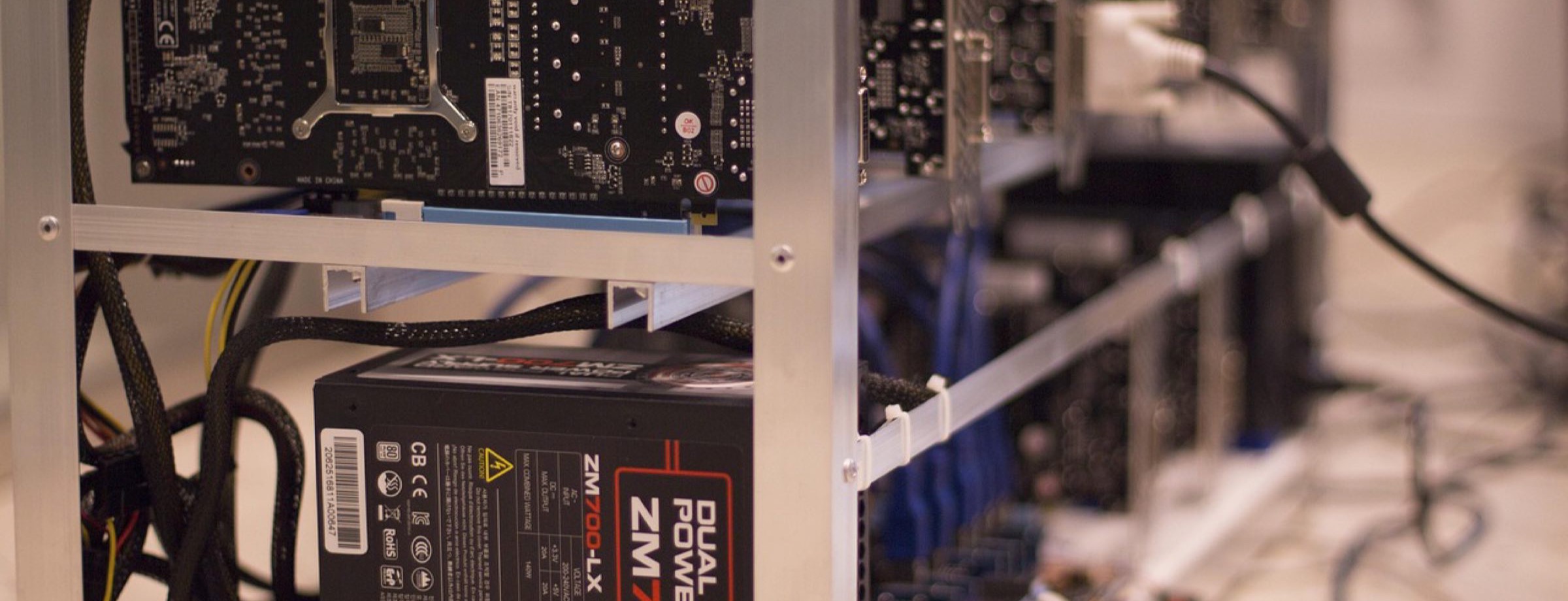
A hosting contract quotes you a single number, seven to nine cents a kilowatt-hour in most of the markets we ship to. Your own site quotes you four or five. The gap looks decisive until you write down what the hosting number includes and your own number does not.
What the spread actually buys
The hosting rate carries the building, the transformer, the switchgear, the ventilation, the security, the network, and — the part buyers forget — the hands. Somebody notices at three in the morning that a row has dropped, and does something about it before you wake up.
Your own site carries all of that as capex and headcount. For a 1 MW hall, the infrastructure runs somewhere around $250–350k before a single miner is installed, and it wants a person. Not a contractor with a phone number: a person, because the failure modes are boring and continuous rather than dramatic and occasional.
Spread that capex over three years of a 1 MW load and it is roughly two cents a kilowatt-hour. Add the person and the consumables and the gap between five cents owned and eight cents hosted is much narrower than the headline suggests.
Where the crossover sits
Below about 500 kW, hosting almost always wins. The fixed costs of a hall — the transformer, the switchgear, the person — do not scale down, and spread across a small fleet they are brutal.
Above about 3 MW, owning usually wins, provided you have the site and the power contract. The fixed costs are now spread thin, the tariff advantage compounds, and you gain something the spreadsheet does not show: control over when you curtail, what firmware you run, and whose machines get looked at first.
Between those, it is a judgement about what you are actually good at. Some operators are excellent at negotiating power and terrible at running buildings. Hosting is a legitimate answer for them at any scale.
The clauses that matter more than the rate
Curtailment. Who decides when the machines come off, on what notice, and are you paid or credited for it. In markets with demand response this clause is worth more than half a cent on the rate.
Uptime, and what a miss costs. A 98% guarantee with no remedy is a sentence, not a term. Ask what happens at 94%.
Whose hands, and how fast. Response time for a dead machine, and who pays for the board.
What happens if they fail. Your machines are in somebody else’s building. Establish, in writing, that they remain your property and how you get them out.
A middle path worth considering
Buy the machines, host the first tranche, build the hall in parallel, and move them when it is energised. You start earning on week two instead of month four, you learn how the machines behave before you own the building they live in, and the hosting contract becomes a bridge rather than a commitment.
We ship into both arrangements — machines to a hosting facility under the client’s name, or a full batch to a site the client is still commissioning. The one thing that changes between them is where the batch report goes: to you either way, never only to the host.